

Laparoscopic Gallbladder Removal Abu Dhabi – Expert Surgeons
Complete Guide To Laparoscopic Gallbladder Removal In Abu Dhabi
Do you often have bouts of abdominal pain lasting for hours, and a feeling of nausea? Stones in your gallbladder may be the culprit for this discomfort. A diagnosis of gallbladder stones can feel overwhelming and worrying. It raises concerns about pain, recovery, and how it may change your life afterward. Although the gallbladder is a small organ, it can cause considerable discomfort and complications. Gallstones are the most common gallbladder-related problem. When symptoms become frequent or severe, doctors often recommend laparoscopic gallbladder removal. This is a safe and minimally invasive procedure and the best treatment option for gallstones. In this blog, you will learn all you need to know about Laparoscopic gallbladder removal Abu Dhabi, from symptoms and diagnosis to recovery.
All About The Gallbladder
The gallbladder is a small, pear-shaped organ located under the liver. It stores a digestive fluid known as bile, which helps break down fats. While it plays an important role in digestion, it is not essential for survival. So, removal is often recommended when problems arise. If your gallbladder is removed, your liver continues to make bile to help digest fat, and it flows directly into the small intestine rather than being stored in the gallbladder.
Symptoms That Suggest You Need Laparoscopic Gallbladder Removal Abu Dhabi
Many people live with silent gallstones for years without any symptoms. When symptoms become frequent and start bothering, or problems keep recurring, surgery becomes inevitable. You need a Laparoscopic gallbladder removal Abu Dhabi if the following symptoms are affecting your daily life:
Abdominal pain: One of the most common signs of gallstones is pain in the upper right side of the abdomen, just below the ribs. This pain often comes on suddenly and can range from mild discomfort to severe pain. It usually starts after eating fatty meals. The pain can trouble you for a few minutes to several hours.
Nausea and vomiting: Frequent nausea and occasional vomiting may occur. It is the body's way of showing that the gallbladder is not functioning properly.
Jaundice: This is when the skin and eyes start looking yellow. It is caused when bile builds up in your bloodstream, which happens when gallstones block the bile ducts.
Back and shoulder pain: Some people feel back pain between their shoulder blades or stomach pain that moves into their right shoulder during a gallbladder attack.
Bloating or Fullness: If you are brushing off bloating or indigestion as a minor digestive issue, think twice. Frequent bloating, excessive gas, and a lingering heaviness after meals may be signs of an underlying gallbladder problem.
Other symptoms: These can include fever, chills, and changes in the color of urine or stools.
Don’t wait—consult us today for Laparoscopic gallbladder removal Abu Dhabi and get lasting relief.
What is the Laparoscopic Gallbladder Removal Procedure?
Laparoscopic gallbladder removal is also known as laparoscopic cholecystectomy. It is a minimally invasive surgical method used to remove the gallbladder. Main steps in the surgical removal of the gallbladder are as follows:
Pre-surgery Preparation
Before laparoscopic gallbladder removal Abu Dhabi, your doctor will conduct a thorough assessment to confirm the diagnosis and ensure you are fit for the procedure. You will have to make some dietary changes, such as avoiding fatty and spicy meals. You need to stop eating 6–8 hours before surgery and stop certain medications temporarily. Do not forget to inform your doctor about your allergies or any other medical conditions.
During the Procedure
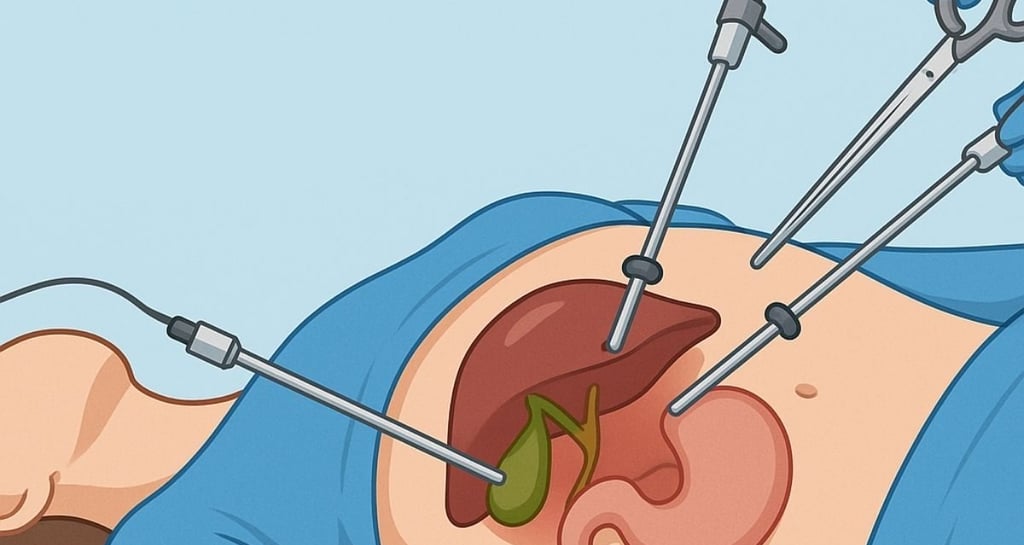
Laparoscopic gallbladder removal Abu Dhabi is performed under general anesthesia, so you will be asleep. The surgeon makes a few tiny cuts in the abdomen. A camera or laparoscope is inserted to provide a clear, magnified view of the internal organs. The gallbladder is carefully separated and removed using specialized tools. Incisions are closed with sutures or surgical glue. The entire procedure usually takes 1 to 2 hours.
After the Procedure
You will be shifted to the recovery room. You may experience mild pain or discomfort around the incisions and temporary bloating due to the gas used during surgery. You will be advised to resume a soft, low-fat diet and avoid heavy lifting til you recover fully. Within a week, you can return to light work and gradually resume normal daily activities.
Conclusion
Cholecystectomy is one of the best ways to treat gallbladder problems, especially those caused by gallstones. It can help relieve painful gallstone attacks and prevent serious complications such as pancreatitis or infection. You can adjust well to life without a gallbladder, even though the surgery involves taking out the entire organ. The body quickly adapts by allowing bile to flow directly from the liver to the small intestine rather than storing it first. You can return to your normal activities and eating habits within a few weeks of the procedure.
If you or a loved one is considering laparoscopic gallbladder removal Abu Dhabi, it’s important to consult a qualified medical professional to evaluate your condition and guide you toward the safest and most effective treatment plan. For comprehensive care that goes beyond surgery, book an appointment today at Bone Care One Day Surgery Center.
Frequently Asked Questions
Q. Is laparoscopic gallbladder removal a major surgery?
It is a minimally invasive procedure, involving small incisions, less pain, and quicker recovery compared to open surgery.
Q. How long does laparoscopic gallbladder surgery take?
The procedure takes between 1 and 2 hours, depending on the complexity of the case.
Q. How long is the recovery period after gallbladder removal?
Most patients can return to normal daily activities within 5–7 days, with full recovery in about 2–3 weeks.
Q. Can I live a normal life without a gallbladder?
Yes, the body adapts well. Bile flows directly from the liver to the intestine, allowing normal digestion.
© Copyright 2026 BONE CARE ONE DAY SURGERY - LLC. All Rights Reserved. | DOH License No. MF4555 | Terms & Conditions